
Is Your Solar PV System Still Performing as It Should?
Your solar panels may still be producing electricity, but that does not necessarily mean that every part of the system is performing as it did when it was first installed.
The challenge for a PV owner is knowing when a change is simply normal variation and when it is worth taking a closer look.
Solar systems don't always fail suddenly
When people think about a faulty solar panel, they may imagine a dramatic failure — a completely dead panel, a broken inverter or an obvious physical problem.
In reality, changes in PV performance can be much less obvious.
A module may become dirty. A new obstruction may create shading. A connection or electrical component may develop a problem. An inverter may operate differently from before. Environmental conditions may gradually affect the installation.
PV systems operate outdoors and are exposed to changing environmental conditions. Research and field studies identify factors including soiling, shading, temperature, humidity, moisture and component-related problems as contributors to changes in PV performance.
A reduction in output is a reason to investigate — not automatically proof that a solar panel has failed.
What can affect PV performance?
There are many possible reasons why a PV system may produce less energy than expected.
Soiling
Dust, dirt, bird droppings and other deposits can reduce the sunlight reaching the cells.
Shading
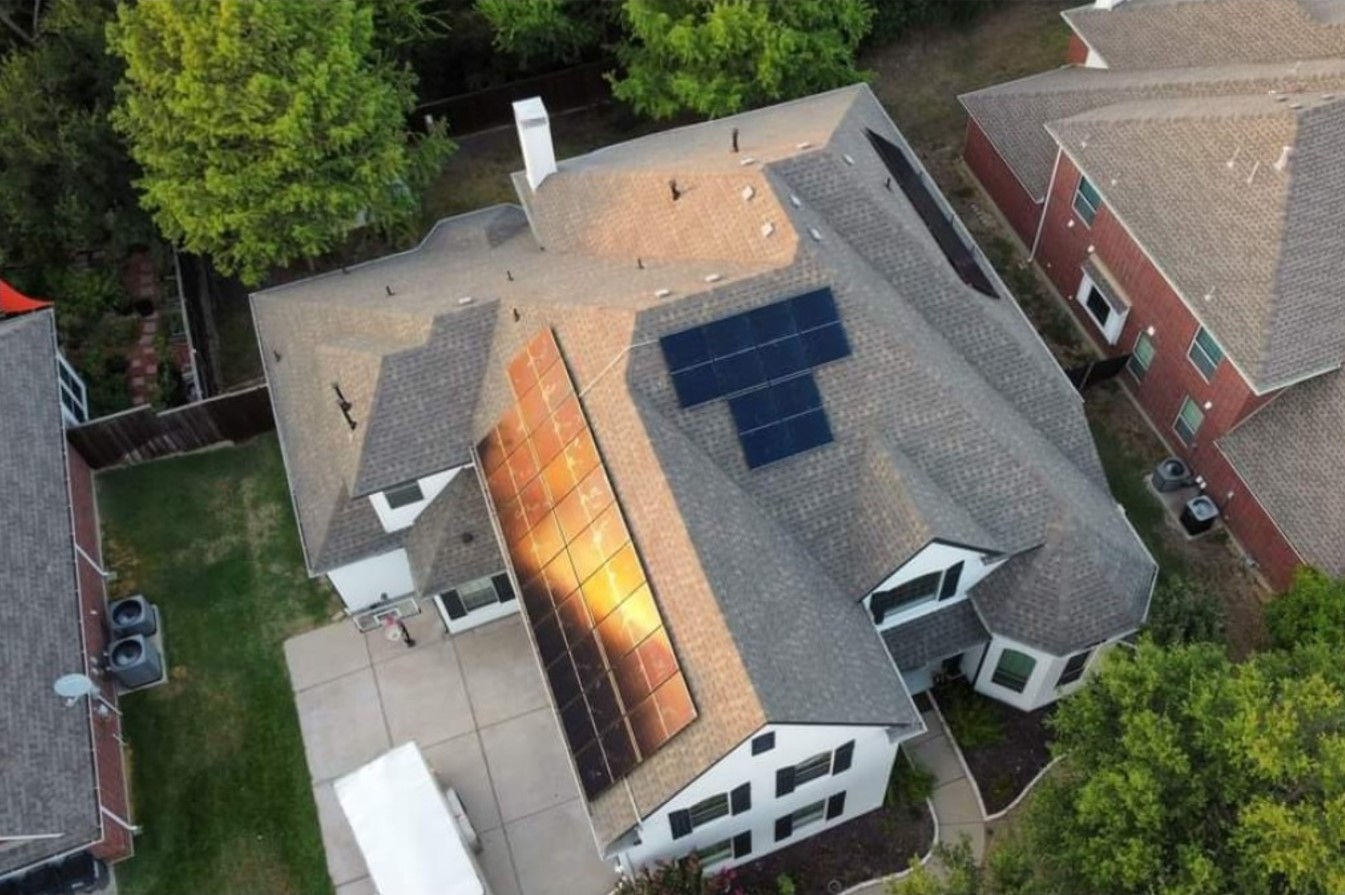
Trees, buildings, new structures, vegetation or other objects can introduce shading that was not present when the system was installed.
Temperature
PV modules operate under changing temperatures, and electrical characteristics vary with operating conditions.
Module condition
Physical damage, degradation and other module-related problems can affect performance.
Electrical connections
Wiring, connectors and other electrical components can develop faults or deteriorate over time.
Inverter or system issues
An inverter or other balance-of-system component can affect the amount of energy delivered by the system.
The International Energy Agency's PV reliability work also identifies soiling, high temperature, thermal cycling and other environmental stressors as potential contributors to performance loss and component degradation.
Before blaming the solar panels, check the sunlight
One of the easiest mistakes in PV performance checking is comparing two production numbers without considering the conditions under which they were obtained.
A sunny morning, a hazy afternoon and a cloudy period can produce very different irradiance levels.
Module temperature can also change during the day.
Therefore, a lower inverter output at one particular time does not automatically demonstrate a fault.
Stable sunlight, consistent sensor orientation and a repeatable test method make comparisons much more useful.
What can a PV owner check?
You do not necessarily need sophisticated equipment to begin investigating an unexpected change.
- Look at your normal inverter or monitoring history.
- Check whether the weather and sunlight conditions were comparable.
- Look for obvious new shading.
- Check visually for unusual soiling or obvious physical changes, where this can be done safely.
- Consider whether the inverter or monitoring system has reported an error.
- If a difference appears repeatable, consider whether further testing is warranted.
What you should not do yourself
Solar PV systems can contain hazardous DC voltages even when the system appears to be operating normally.
A homeowner can perform appropriate visual observations and review monitoring information, but electrical measurements, opening electrical enclosures, disconnecting PV strings or other live-system work should be left to suitably qualified persons.
Formal commissioning and maintenance procedures exist for grid-connected PV systems. IEC 62446-1 covers documentation, commissioning tests, inspection and maintenance-related requirements for grid-connected PV systems.
Why having a baseline can make checking easier
Imagine that your PV system has been operating normally for several months.
You have a particular string or group of similarly oriented modules that you know is operating normally.
If you establish a reference under suitable conditions, you have something against which future observations can be compared.
This changes the question from:
to:
"Has this test area changed compared with its established reference under comparable conditions?"Where PVBuddy fits
PVBuddy is designed around this practical comparison idea.
The PVS01 sensor measures irradiance and works with the PVBuddy App to establish a practical reference for a selected PV test area.
Flexi-Cal™
The sensor can be tuned against the inverter kWh reading for a representative string or strings having the same orientation.
Where a suitable laboratory-calibrated irradiance meter is available, the PVS01 can instead be tuned against that reference.
Once the reference has been established, the same approach can be repeated to look for changes under comparable sunlight conditions.
The objective is not to claim that one measurement proves a particular component has failed.
The objective is to provide a practical indication that something may have changed and may deserve further investigation.
A simple way to think about routine checking
-
Establish a reference.
Select a suitable PV test area and establish a reference under suitable sunlight conditions.
-
Repeat the measurement.
Return to the same area and place the sensor in the same orientation.
-
Compare the result.
Compare the new measurement with the established reference.
-
Investigate significant or repeatable changes.
If the difference remains after checking the conditions, consider whether further professional testing is appropriate.
From a simple measurement to a real investigation
PVBuddy has also been used in a floating PV installation where multiple strings and inverters needed to be assessed.
Rather than treating every measurement as an isolated number, the testing approach allowed the strings to be compared under the actual field conditions.
The exercise helped identify an area that required further attention, with subsequent investigation pointing towards an inverter-related issue.
The lesson is important: a field measurement does not necessarily tell you exactly what has failed.
It can, however, help identify where a closer look may be worthwhile.
Read the full case study here: Floating PV System Case Study .
.png)
How often should you check your PV system?
There is no single interval that is appropriate for every installation.
The environment, system design, age, accessibility, monitoring arrangements and maintenance programme all matter.
What is useful is consistency.
A repeatable check performed periodically can create a useful history of observations rather than leaving you trying to remember how the system performed several years ago.
The purpose of routine checking is to notice meaningful changes early enough to decide whether further investigation is worthwhile.
When should you call a professional?
If you find a persistent or significant difference, the next step may be professional investigation.
This is particularly important when the suspected problem involves electrical equipment, safety, insulation, connectors, inverter faults or physical damage.
Professional PV testing can involve electrical measurements, I-V curve testing, thermography, calibrated irradiance measurement and other diagnostic techniques depending on the purpose of the investigation.
PVBuddy should therefore be viewed as a complementary comparative field-checking tool, not as a replacement for professional testing where such testing is required.
The goal is not to worry about every watt
Solar PV is a long-term investment.
It is normal for production to vary from day to day and season to season.
The useful question is not whether today's production number is exactly the same as yesterday's.
The useful question is whether a repeatable change has appeared when conditions are sufficiently comparable.
Once you think about PV maintenance this way, monitoring becomes less about chasing individual numbers and more about recognising changes.
And when something looks different, investigate before jumping to conclusions.
More from the PVBuddy DIY Journal
Learn more about the role of irradiance measurement in PV testing in: Types of Solar Irradiance Meters .
For a deeper look at practical PV field testing, read: Solar Panel Testing: How Can You Tell If Your PV System Has Changed? .
Want a practical way to check for change?
Explore PVBuddy PVS01 and its Flexi-Cal™ approach to establishing a practical PV reference.
View PVS01